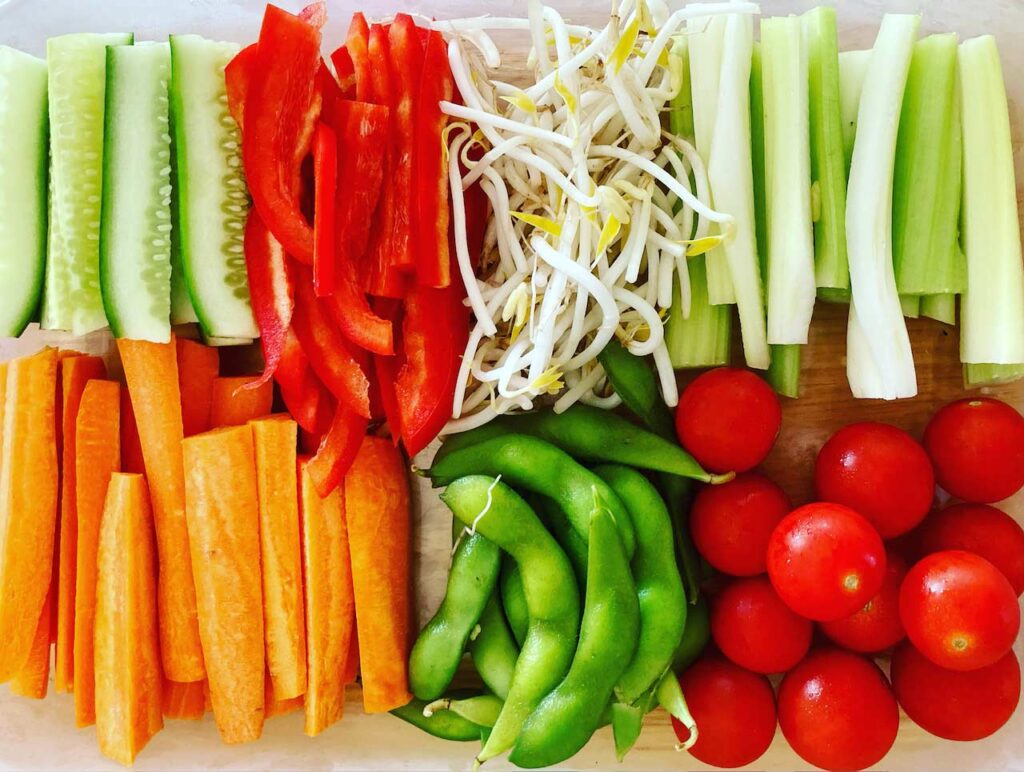
See our plant-based grocery list!
Beans
‘Beans’ is a bit of a catch-all term to cover all those dried or canned items that most people are used to. The diagram below breaks down the precise meaning of the terms.
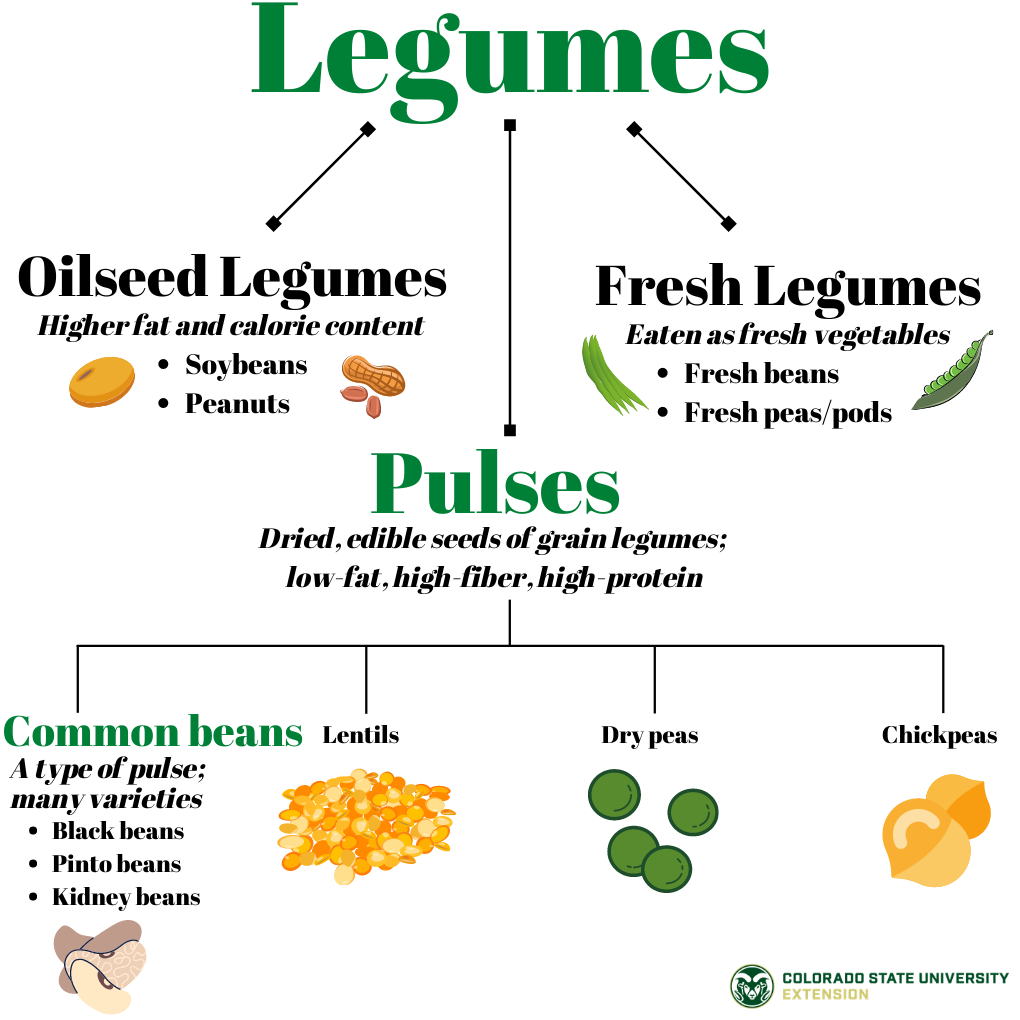
For us, chickpeas and lentils are a staple and we include other types of beans the rest of the time to add variety. White beans like great northern for baked beans, red kidney beans for chilli beans, dals (split lentils of various types) for Indian style dishes. Cook your own or use canned – it doesn’t matter. Either way they represent excellent value and a great deal of nutrition. Lentils are always handy as they don’t require soaking before cooking, although soaking any bean or lentil will help with cooking.
Image credit: Courtesy Colorado State University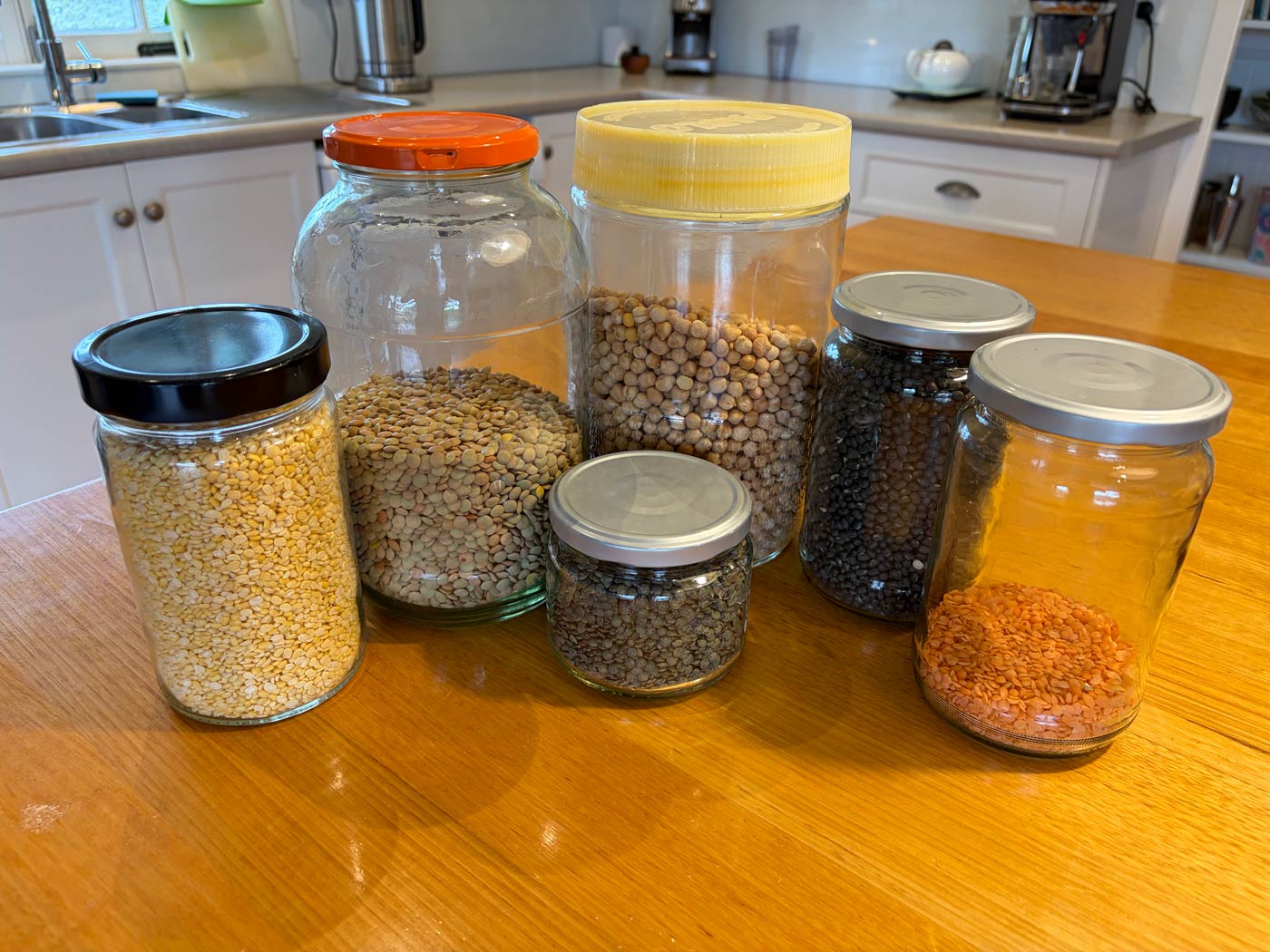
Flavourings
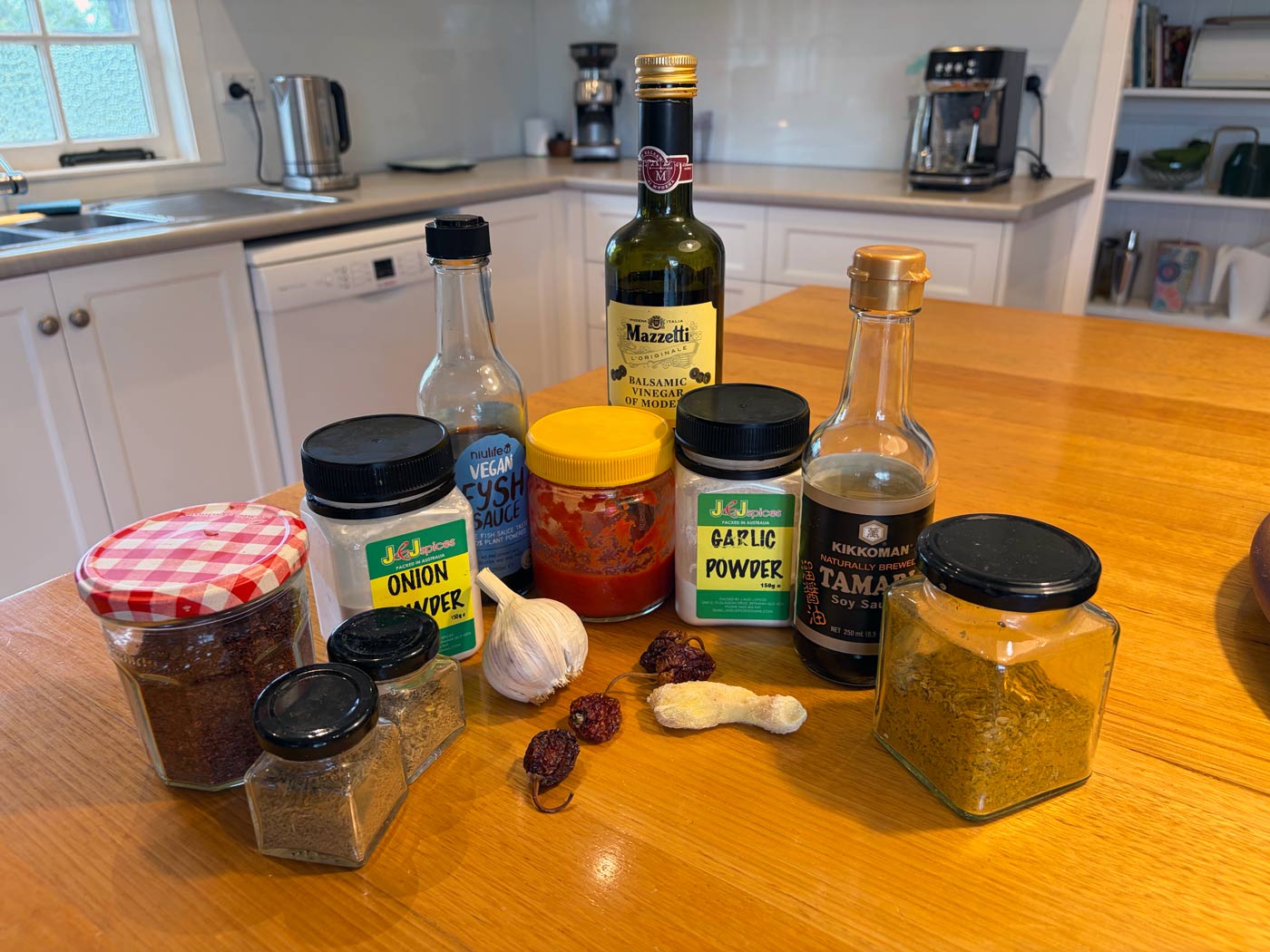
Garlic, ginger and chilli sauce or flakes/powder are the typical bases for marinades and coatings. If you can, grow your own chillies and ginger. Freeze peeled ginger and then it’s ready for easy grating. We lean heavily on tamari, ‘Fysh’ Sauce, onion powder, garlic powder and paprika.
Tofu
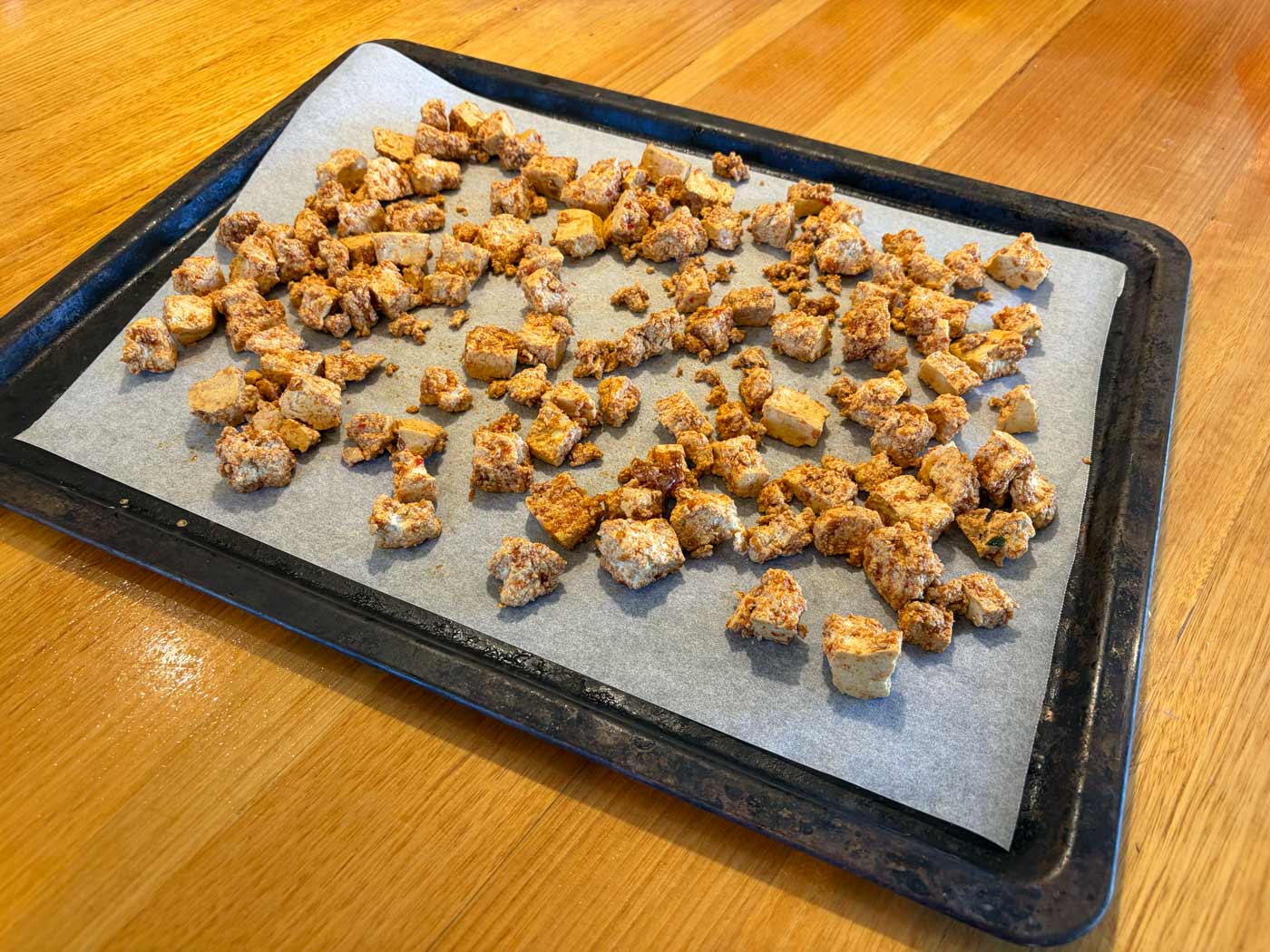
Typically we use extra firm/firm and silken. The simplest method is to tear it up into irregular chunks, then coat it in a tasty mix of ingredients and bake it on a sheet pan or in an air fryer. Tearing the tofu means the flavourings stick better to the rough edges. Silken tofu is blended in smoothies and used for making desserts and creams.
Nuts, seeds and seed mix
Nuts for eating include almonds, Brazil nuts, pecan, walnuts, peanuts or whatever is available. Be careful not to overindulge in these calorie heavy snacks.
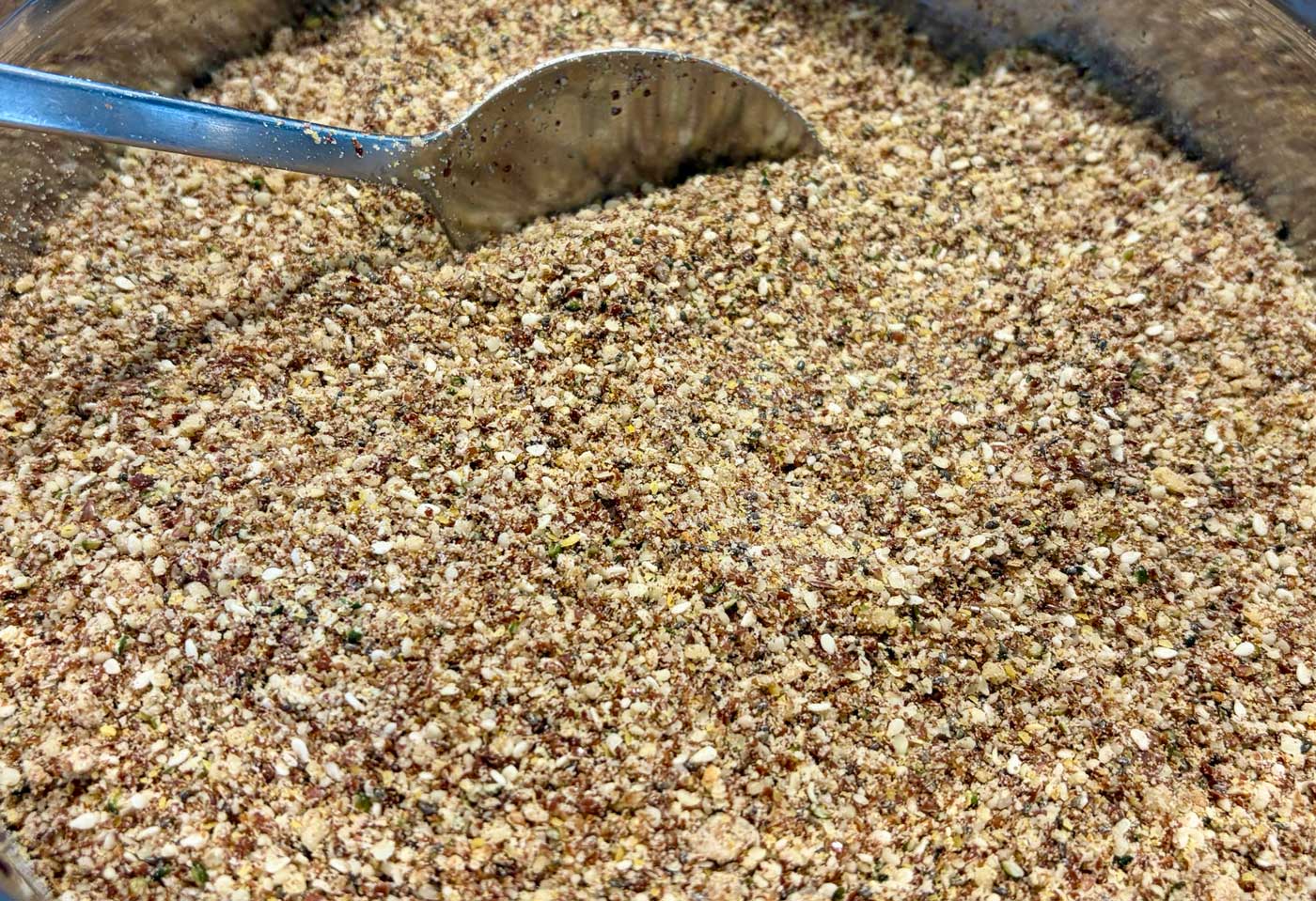
The seeds are usually a part of a seed mix. This is added to the morning porridge (oatmeal), on top of avocado toast and in biscuits and baked items. Consists of flaxseed/linseed, hemp, chia, sunflower, sesame, walnut, almond. though proportions vary on what is on hand. It is a variation of the standard LSA mix with 3:2:1 proportions of Linseed, Sunflower and Almond.
Veggies
Celery, carrot, and onion and cans of tomato are the basis of most pot dishes. Other frequently used veggies are capsicum (bell pepper), pumpkin and potato. Beyond that we’ll try to eat whatever is in season or going cheap.
Fruit
Apples, bananas and pears, with the bananas, pears and occasional green apple mostly destined for the porridge. The rest is whatever is seasonal and affordable. Lemons are another staple and again best if you are lucky to have a lemon tree. Avocados (on toast) are another staple fruit.
Berries
Mostly frozen and almost always destined for morning porridge or, in summer, smoothies. Fresh berries when affordable.
Bread
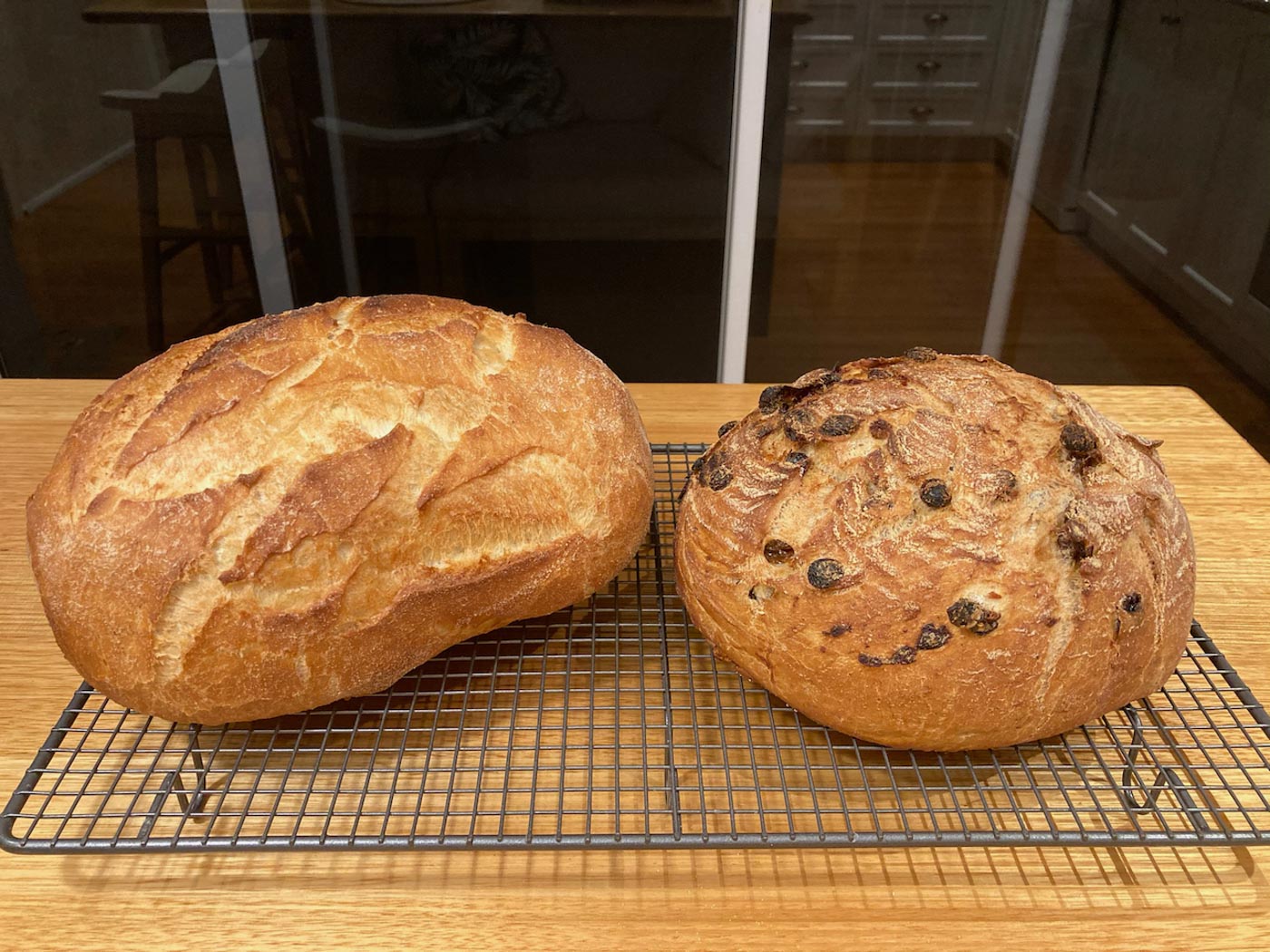
A bit of a staple and a weakness. We bake our own so there is always the temptation to overindulge. Its also what you put on bread that can make a big difference.
Spreads
These are typically high-calorie treats We try to limit the use of plant-based spreads/margarines like Nuttelex but they do have use. Peanut butter is a common one and when paired with raspberry jam is a calorie bomb.